Understanding body image, perfectionism, and eating disorders in equestrian sports, and how equine connected EMDR therapy can support healing.
For many equestrians, horses are so much more than a hobby. They are an identity, a sanctuary, a relationship, and sometimes the one place in the world where we feel most like ourselves. But beneath the polished boots, tailored breeches, braided manes, and beautiful partnerships, there can be another story unfolding. One about perfectionism, control, comparison, body image, and the quiet belief that somehow, we are never quite enough.
Maybe you're reading this late at night after a long day at the barn. You've spent hours making sure your horse is fed, comfortable, fit, and cared for, yet you've spent much of that same day battling your own relationship with food or your body. Perhaps your trainer made a comment about your weight that you haven't been able to stop replaying, or maybe you caught your reflection in the arena mirror and spent the rest of your ride thinking about how your equitation looked instead of how you felt. Maybe you're exhausted from trying to eat perfectly, ride perfectly, and appear to have everything under control. The hardest part might be that you don't know who to tell. The people who understand horses might not understand eating disorders, and the people who understand eating disorders might not understand what it means when horses are your entire world.
As a lifelong equestrian and therapist specializing in eating disorders and trauma, I understand how complicated this intersection can be. I also know how isolating it can feel when the very community that brings you so much joy is intertwined with some of your deepest insecurities.
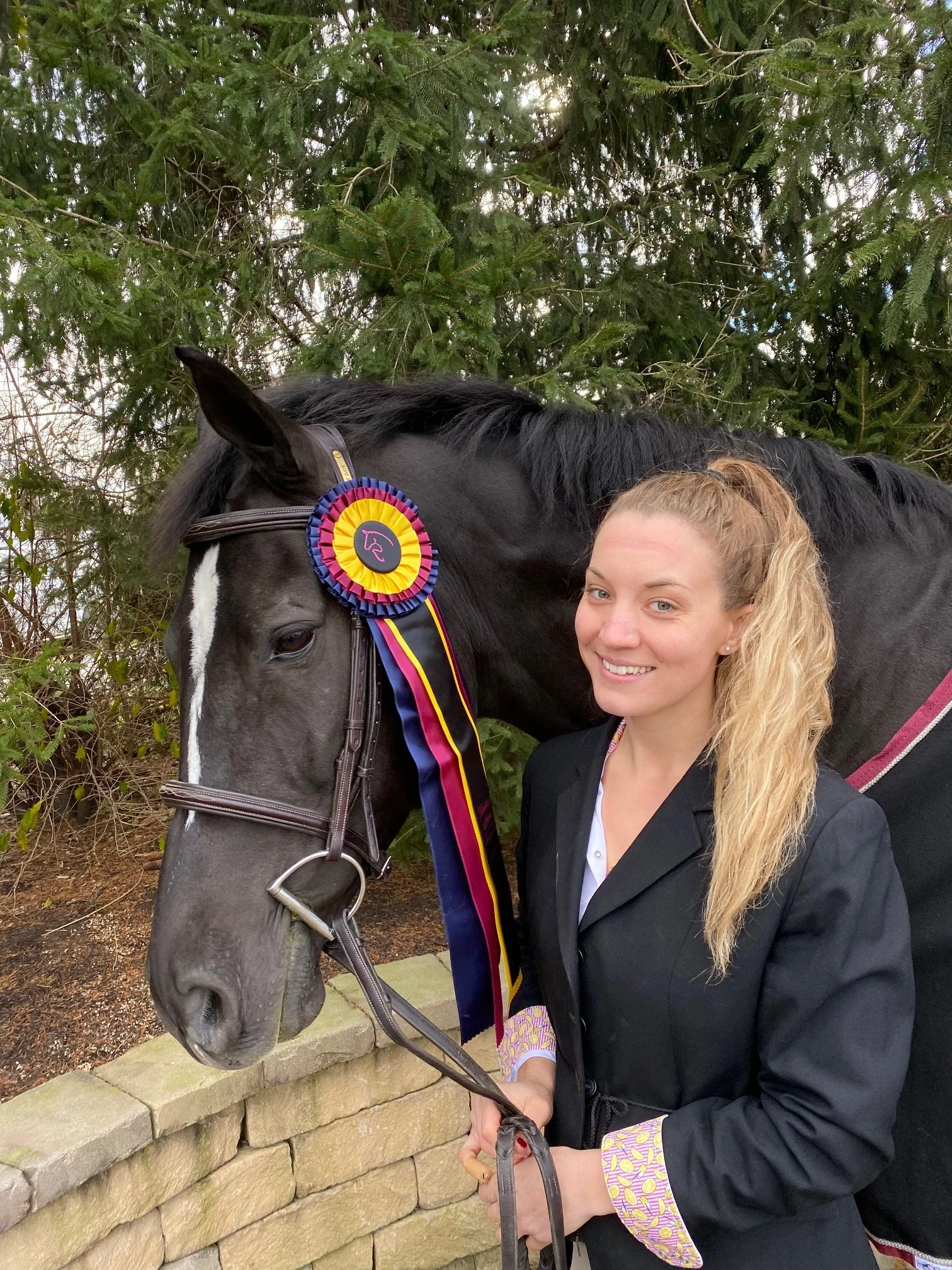
Eating Disorders and Body Image in Equestrian Sports
Eating disorders and disordered eating are significant concerns within equestrian sports, although they are not always openly discussed. A 2022 study of 330 collegiate English equestrians found that approximately 35% screened positive for elevated disordered eating symptoms. An earlier study of 138 NCAA Division I equestrian athletes found that 42% screened at risk for an eating disorder. While these findings do not represent all equestrians or indicate that every rider who struggles with body image has a diagnosable eating disorder, they highlight a concern that deserves greater attention.
Equestrian sports occupy a unique space in athletics because they combine physical demands, aesthetic expectations, perfectionism, and a relationship with another living being. Riders may experience pressure surrounding their weight, appearance, clothing, performance, and perceived suitability for their horses. For some, this pressure begins in childhood and becomes so normalized that it is difficult to recognize its impact. A comment about weight, a comparison to another rider, or the expectation to maintain a certain appearance in the saddle can gradually influence how someone relates to their body long after they leave the barn.
Of course, eating disorders are complex conditions influenced by biological, psychological, social, and environmental factors. Equestrian culture does not necessarily cause an eating disorder, but certain aspects of the sport may reinforce existing vulnerabilities, particularly for individuals who struggle with perfectionism, anxiety, trauma, or a sense of self worth closely tied to achievement.
When Your Trainer Is the Person You Cannot Talk To
One of the most complicated aspects of struggling with an eating disorder as an equestrian is knowing where to turn for support. Your trainer may be one of the most influential people in your life. They may have shaped your confidence, your riding abilities, and your identity within the sport. Their approval may mean a great deal to you, which can make it especially painful when their words or expectations contribute to how you feel about yourself.
Perhaps your trainer has commented on your weight, praised weight loss without understanding the circumstances, or made remarks about other riders' bodies that have left you wondering what they think about yours. Alternatively, your trainer may have done nothing wrong, but the thought of sharing something so personal feels overwhelming. You might worry about being judged, losing opportunities, becoming the subject of barn gossip, or having someone suggest that you should stop riding. When the barn is your community and horses are central to your identity, the possibility of disrupting those relationships can feel frightening.
It is important to recognize that your trainer does not have to be your therapist. You are allowed to seek support outside the equestrian community, and you do not have to disclose your struggles to everyone involved in your riding life. Finding a therapist who understands both eating disorders and equestrian culture can provide a confidential space to explore these concerns without having to explain why horses matter so deeply to you.
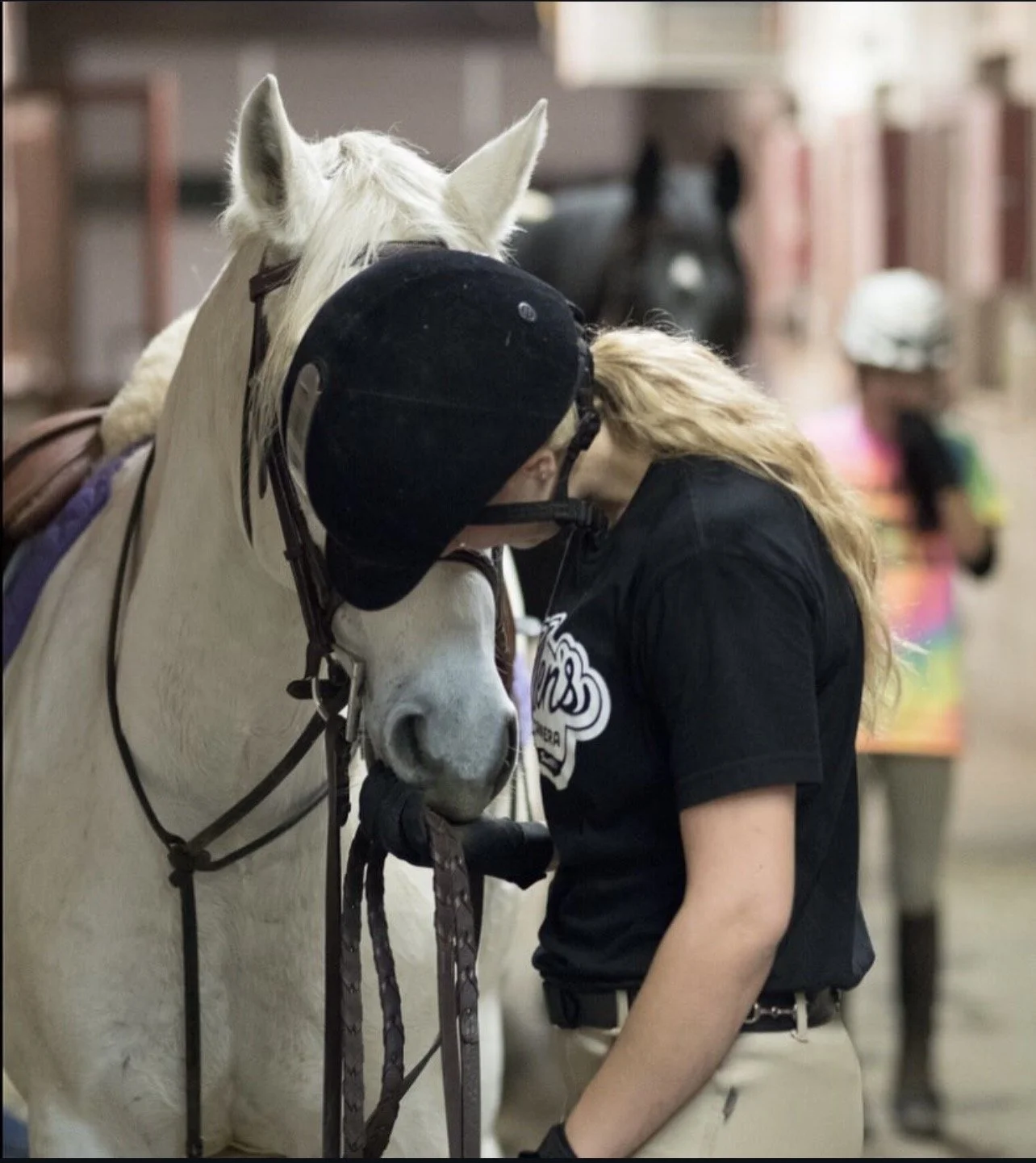
The Relationship Between Perfectionism, Control, and Eating Disorders
Perfectionism is familiar territory for many equestrians. There is almost always something to improve, whether it is a quieter leg, better distance to the fence, softer hands, a more balanced seat, or a more consistent connection with the horse. While striving to improve can be fulfilling, the pursuit of excellence can become exhausting when mistakes begin to feel like personal failures. For some riders, this mindset extends beyond the arena and into their relationships with food, body image, and self worth.
The same internal voice that says, "You should have ridden better today," may also say, "You shouldn't have eaten that." Over time, these thoughts can become connected to deeper beliefs about worthiness, control, and acceptance. A rider may begin to believe that being thinner, more disciplined, or more successful will finally allow them to feel good enough. For individuals with eating disorders, food restriction, compulsive exercise, or other behaviors may serve as ways of managing overwhelming emotions, creating predictability, or attempting to regain a sense of control.
There is also something particularly heartbreaking about the contrast between how equestrians care for their horses and how they sometimes treat themselves. We carefully monitor our horses' nutrition, recognize when they need rest, and understand that their bodies require adequate fuel to perform. We often advocate fiercely for their comfort and well being while struggling to extend those same considerations toward ourselves. We may recognize that our horses cannot thrive without nourishment while simultaneously believing that we must earn our own food. We may give our horses grace for having an off day while criticizing ourselves relentlessly for a single mistake.
What might change if we began offering ourselves the same curiosity, patience, and compassion that we so willingly extend to our horses?
How EMDR Therapy Can Help Equestrians Struggling With Eating Disorders
Eating disorders are rarely just about food or appearance. For many individuals, disordered eating behaviors are connected to deeper emotional experiences, negative beliefs, and patterns that developed as ways of coping with distress. Eye Movement Desensitization and Reprocessing, commonly known as EMDR, is an evidence based psychotherapy for trauma that helps individuals process distressing experiences and the beliefs associated with them.
For an equestrian, these experiences might include being humiliated by a trainer, feeling chronically inadequate despite considerable accomplishments, or learning early in life that acceptance and affection were dependent upon performance. For others, the origins of their eating disorder may have little to do with horses, even though the symptoms continue to show up in their riding lives. EMDR can help individuals explore beliefs such as "I'm not good enough," "My body is wrong," "I have to be perfect," or "I'm only worthy when I'm successful."
Rather than focusing exclusively on eating behaviors, trauma informed therapy considers the experiences and emotional needs that may be contributing to those behaviors. EMDR can be a valuable component of comprehensive eating disorder treatment when trauma or distressing memories are relevant, although it does not replace nutritional rehabilitation, medical monitoring, or other necessary forms of care.
Why Incorporate Horses Into the Healing Process?
At A Place Along the Way, I integrate EMDR therapy with principles of Natural Lifemanship, a trauma informed approach that emphasizes healthy relationships, connection, emotional regulation, and choice through intentional interactions with horses. I find this work particularly meaningful for equestrians because it creates opportunities to explore familiar patterns within a relationship that already holds considerable emotional significance.
Imagine entering an arena without the expectation of performing, improving, or proving anything (weird, right?). There is no trainer evaluating your position, no judge assigning a score, and no ribbon waiting at the end of the experience. Instead, the focus is on noticing what happens within yourself as you interact with the horse. You might become aware of how quickly you assume responsibility for everything, how uncomfortable it feels to make a mistake, or how difficult it is to recognize and honor your own needs. You may discover that you are far more comfortable caring for another being than allowing yourself to receive care.
These interactions offer opportunities to explore boundaries, emotional awareness, regulation, and the ways we relate to ourselves and others. When thoughtfully integrated with EMDR, these experiences can complement the process of addressing painful memories and longstanding beliefs. Riding is not required, and much of the therapeutic work takes place on the ground. Equine connected EMDR for eating disorder concerns is a developing clinical application rather than an established standalone eating disorder treatment, making individualized assessment and coordination with existing providers especially important.
Why Consider an EMDR Intensive?
Traditional weekly therapy can be incredibly beneficial, but some individuals find it difficult to explore deeply rooted experiences within the confines of a typical 50 minute appointment. EMDR intensives offer an alternative structure by providing extended, dedicated periods for therapeutic work, allowing greater space for preparation, processing, reflection, and integration.
At A Place Along the Way, I offer private half day, full day, and multiday equine connected EMDR intensives in Coal Creek Canyon, Colorado. Multiday experiences include accommodations and meals, allowing clients to step away from their usual responsibilities and immerse themselves in a peaceful Rocky Mountain environment. For an equestrian accustomed to spending much of their time caring for horses, meeting expectations, and focusing on the needs of others, this can be an opportunity to redirect some of that attention toward themselves. I mean, you’ve spent thousands of dollars and hours of time on making sure your horse’s needs are met, putting them up in the best stalls on the show circuit, but when was the last time you poured into yourself like that?
These intensives are individualized and designed for adults whose clinical needs are appropriate for outpatient trauma focused treatment. For individuals navigating eating disorder recovery, participation requires careful consideration of medical stability, nutritional needs, and any ongoing treatment. An intensive is not a replacement for a higher level of eating disorder care when one is needed.
Finding an Eating Disorder Therapist Who Understands Equestrian Culture
I have been riding horses since I was five years old, and began competing on the rated circuit in my twenties. I understand that for many equestrians, horses are not simply something you do. They are part of who you are. I understand the dedication, sacrifice, perfectionism, and deeply meaningful relationships that accompany a life with horses. As a Licensed Professional Counselor specializing in eating disorders and trauma, I am passionate about creating a therapeutic space where equestrians do not have to choose between feeling understood as riders and receiving thoughtful, specialized mental health care.
If you are an equestrian struggling with disordered eating, body image, perfectionism, or shame, you do not have to explain the entire world of horses before you can begin talking about what hurts. You deserve support from someone who recognizes the complexity of that world and understands that healing your relationship with yourself does not necessarily mean walking away from the sport you love. Depending on your needs, that support may involve an eating disorder treatment team, outpatient psychotherapy, trauma focused treatment, or a higher level of care.
You Deserve the Same Care You Give Your Horse
Perhaps you've spent years convincing yourself that your struggles aren't serious enough to deserve attention. You still wake up early, show up at the barn, ride your horse, attend lessons, and meet your responsibilities. From the outside, everything may appear perfectly fine, even when your internal experience tells a very different story. Being able to function does not mean you aren't struggling, and being accomplished does not mean you are immune to pain.
If your horse was struggling, you would probably notice. You would investigate, seek support, and do everything within your ability to understand what they needed. You would not expect them to earn care by performing better, becoming smaller, or proving their worth. You would recognize that their well being matters regardless of what they accomplish.
You deserve that same consideration.
You can love horses and still question the expectations that have shaped your relationship with your body. You can be a dedicated equestrian and acknowledge that perfectionism has become painful. You can recognize that something needs to change without abandoning the identity, relationships, and experiences that matter so much to you.
And if you're reading this alone tonight, unsure whether anyone could understand what you're experiencing, I hope you'll consider that you don't have to figure everything out by yourself.
Sometimes healing begins with discovering that there is someone you can talk to who understands both the world you love and the struggles you have been carrying within it.
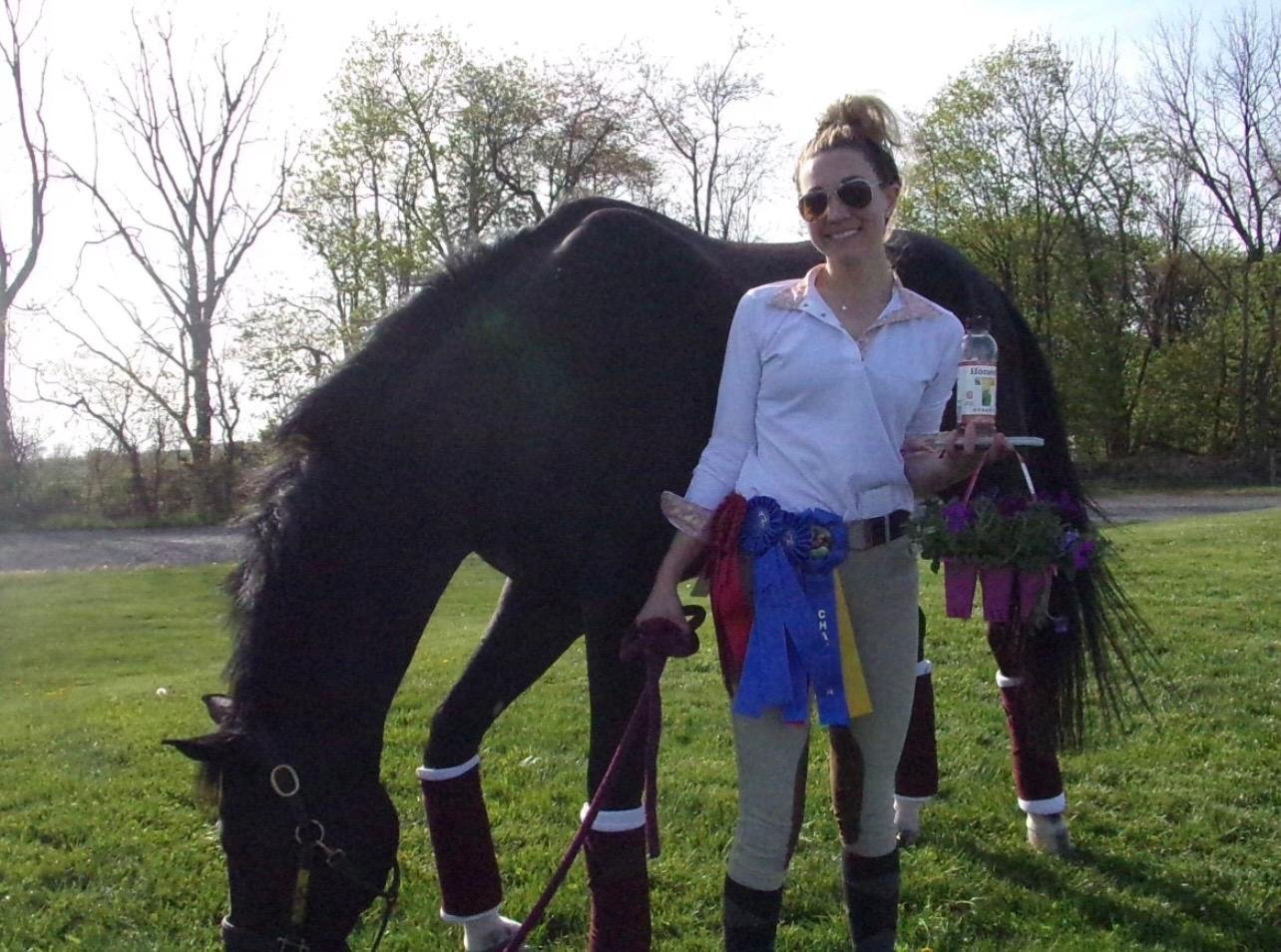
Equine Connected EMDR Intensives for Equestrians in Colorado
A Place Along the Way offers private, individualized EMDR intensives in Coal Creek Canyon, Colorado, integrating trauma informed psychotherapy with equine connected experiences in the Rocky Mountains. Founded by a lifelong equestrian and Licensed Professional Counselor specializing in eating disorders and trauma, the practice welcomes adults seeking support with trauma, perfectionism, body image, eating disorder recovery, and deeply rooted beliefs about self worth.
Half day, full day, and multiday intensives are available, with lodging and meals included in multiday retreats. Clients may travel from across the United States for in person treatment, with clinical appropriateness determined through an individualized consultation and screening process.
If you've been searching for a therapist who understands eating disorders in equestrians, I invite you to learn more about the services offered at A Place Along the Way.
——————————————————————————————————————————————————
About the Author
Michaela Uttley, LPC, CCTP, NLC-P, EP is a licensed professional counselor and dual certified Natural Lifemanship Practitioner specializing in eating disorders, complex trauma, and equine-connected EMDR therapy. As a lifelong equestrian and founder of A Place Along the Way in Coal Creek Canyon, Colorado, she combines her clinical expertise with an understanding of the unique pressures experienced by riders. She offers private, individualized EMDR intensives in the Colorado Rocky Mountains.
——————————————————————————————————————————————————
References & Further Reading
Nickols, R. (n.d.). Eating disorders and athletes. National Eating Disorders Association. https://www.nationaleatingdisorders.org/eating-disorders-and-athletes-2/
Mountjoy, M., Ackerman, K. E., Bailey, D. M., et al. (2023). 2023 International Olympic Committee's (IOC) consensus statement on Relative Energy Deficiency in Sport (REDs). British Journal of Sports Medicine, 57(17), 1073–1098. https://doi.org/10.1136/bjsports-2023-106994
EMDR International Association. (n.d.). About EMDR therapy. https://www.emdria.org/about-emdr-therapy/
